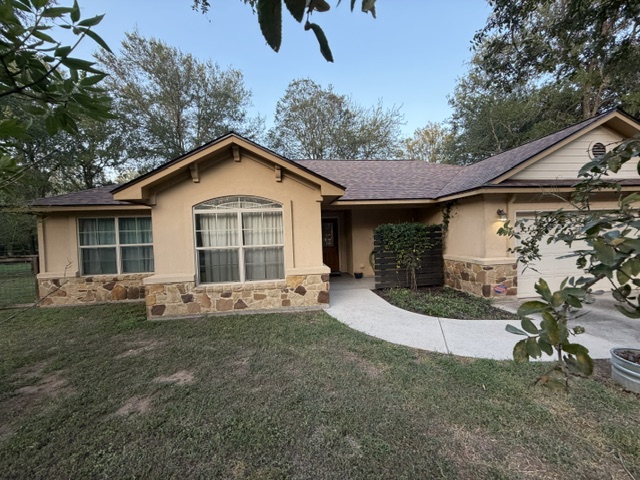

Your porch roof needs replacing, while the asphalt shingles over the main house remain in good condition. Replacing this smaller section may be an opportunity to use metal roofing in Austin, but can standing seam panels work alongside the existing shingles?
Combining metal and shingle roofs on one home is possible, as long as the design accounts for slope and water flow where the sections meet. In this guide, Longhorn Roofing explains where each material may fit and which installation details need attention.
What To Know About Using Metal and Shingles Together
You can combine metal and asphalt shingles in new construction or during renovations. Each section must meet its manufacturer’s installation requirements, including fastener and underlayment specifications.
Because the materials may weather at different rates, each section may have a different maintenance and replacement schedule. If you combine two roofing materials, plan for the upkeep separately.
How To Create a Coordinated Roof Design
Plan where each material will go before choosing finishes that tie the overall design together.
Let the Main Roof Guide Your Design
If your existing asphalt shingle roofing is in good condition, use its appearance to guide your choice of metal accents. For new construction or a full replacement, compare available roof shingle types to find a profile that suits the home’s architecture. Using shingles across the largest sections can help control project costs.
Select Metal Accent Areas
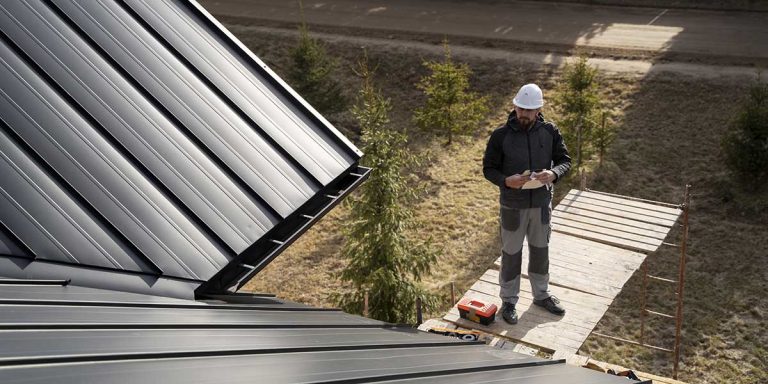
You might reserve standing seam metal roofing for a defined architectural feature, such as a front porch or bay window. Follow existing rooflines when deciding where the panels should begin and end so that the accent has a clear boundary.
Coordinate Colors and Textures
Choose shades that work with the home’s siding and trim. Similar tones can create a subtle transition, while contrasting colors draw more attention to the accent. Allow the metal’s smooth finish and the shingles’ textured surface to provide visual interest without trying to make them look identical.
What Benefits Can a Combination Roof Offer?
Combining metal and shingle roofs may offer the following benefits:
- Metal panels rated for local wind and impact conditions can support roof durability and weather resistance in exposed sections.
- Reflective finishes can reduce solar heat absorbed by metal-covered areas, potentially lowering cooling demands.
- Metal panels may weigh less than asphalt shingles, reducing the roofing load where they replace the heavier material.
The extent of these benefits depends partly on how much of the surface is covered with metal.
What Should Be Checked Before Installation?
A contractor should confirm that each section meets the selected material’s minimum slope requirements and inspect the decking for damage. The assessment should also determine whether attic ventilation will remain adequate after installation.
Before work begins, check the proposed assembly against local building requirements and the manufacturers’ instructions. Include any necessary repairs or design adjustments in the project scope.
How Are the Two Roofing Materials Joined?
Roofing material compatibility depends partly on how you build the transition between sections. Flashing must suit the junction’s shape and direct runoff onto the lower roof surface, preventing water from entering beneath. Underlayment must also overlap correctly at these connections to maintain a secondary water barrier.
A metal roof installation must also accommodate thermal expansion and contraction. The panels should move without straining their attachments.
What Affects the Project’s Cost?
When budgeting for metal and shingle roofs, account for these expenses:
- Material costs vary with the products selected and the area each will cover.
- Labor charges reflect the complexity of joining two surface materials.
- Removal and disposal fees apply when existing roofing is stripped, with additional costs for repairs to damaged decking.
Request an itemized estimate that explains charges for unexpected repairs, and ask your insurer whether the chosen metal roofing qualifies for a discount.
How Do Maintenance and Replacement Needs Differ?
Metal sections need periodic checks for damaged coatings and loose components, particularly after severe weather. Inspect asphalt shingles for curling and excessive granule loss, which can indicate deterioration. Have a contractor assess any loose or damaged metal components.
Plan Your Combination Roof With Longhorn Roofing
At Longhorn Roofing, we help homeowners coordinate material choices and installation details before work begins. Planning both sections together lets us address the connections between them and establish a clear project scope.
We install roofing across Austin and Central Texas. For a closer look at the benefits, such as potentially lower homeowner’s insurance rates and less maintenance, explore our guide to saving money with metal roofing. Call (512) 982-6070 today to discuss combining metal and shingle roofs on your home.

Tom Green is the Owner of Longhorn Roofing, bringing over 40 years of trusted industry experience to the Austin community. Since founding the company in 1985, Tom has committed to providing Central Texas with top-tier roofing craftsmanship at a fair price. He holds elite certifications with GAF, CertainTeed, and Owens Corning, ensuring every project meets the highest safety standards. Tom proudly stands behind his fully insured work, maintaining an A+ BBB rating for decades.