
Roof decking is one of those structural components that most homeowners never think about until something goes wrong. If you’re planning a roof replacement or dealing with recurring leaks, “How often does roof decking need to be replaced?” is a question worth answering before any work begins.
Longhorn Roofing walks you through what affects decking lifespan and when replacement becomes necessary.
What Roof Decking Does and Why It Matters
Roof decking, sometimes referred to as roof sheathing, forms the structural base beneath your roofing materials and attaches directly to the rafters or trusses. It creates the surface that holds your shingles, underlayment, and flashing in place. Without structurally sound decking, the rest of the roofing system may not perform as intended.
Learning all about roofing systems starts with understanding how roof decking supports the materials installed above it. Plywood and OSB are the two most common decking materials, and both can last for decades when they stay dry and structurally sound. The key factor isn’t age alone; it’s whether the decking has been exposed to moisture intrusion over time.
How often does roof decking need to be replaced? The honest answer is that there’s no fixed schedule. Replacement depends on the condition of the material, not age.
Signs That Roof Decking Needs Attention
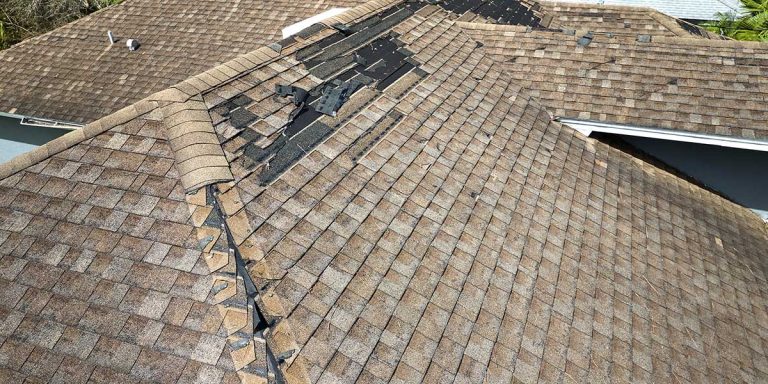
Roof decking is hidden beneath your shingles, so damage isn’t always obvious from the outside. A professional inspection during a roof replacement is often the first time homeowners learn their decking has been compromised. That said, there are a few observable signs that may indicate a problem worth investigating, including:
- Sagging rooflines: Visible dips or waves along the roof plane suggest the decking has lost structural integrity.
- Water stains in the attic: Moisture on attic wood or framing indicates water has penetrated the decking, and the extent of the damage needs to be evaluated.
- Mold or mildew growth: Mold or mildew on attic wood or decking surfaces signals persistent moisture exposure that has likely weakened the decking structure over time.
Before installing new materials, homeowners should consider if a roof replacement is a capital improvement for their specific tax situation.
What Causes Roof Decking To Fail?
Water damage is the leading cause of decking failure. Leaks around chimneys and plumbing vents can allow water to penetrate the decking slowly over time. For those concerned about hidden damage, deciding whether to stay home during the replacement project can help you better oversee the inspection of the decking.
Poor attic ventilation is another contributing factor. When warm indoor air rises and condenses on cold decking during winter, it creates ongoing moisture exposure from the underside. Clogged gutters can also cause water to back up along roof edges, soaking the decking near eaves.
Recognizing these failure patterns clarifies how often roofs require full replacement and helps in planning for necessary maintenance.
Does Decking Always Need To Be Replaced During a Roof Replacement?
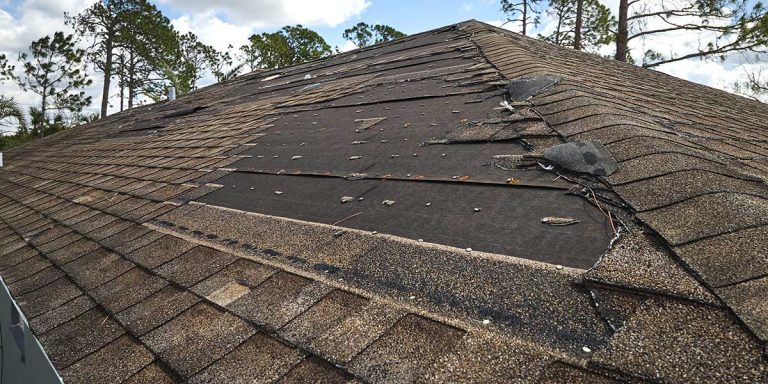
Not always. When old shingles are removed during a roof replacement, the decking underneath is exposed and inspected. If it’s dry and structurally sound, it may stay in place. The process of evaluating the exposed decking is a key step when navigating the differences in reroofing and roof replacement services.
Replacement becomes necessary when the decking has rotted or delaminated to the point where it can no longer support the roofing system above it. OSB that has absorbed water can swell and break down, reducing its ability to hold nails properly. Plywood can delaminate, meaning its layers separate, weakening the panel.
A qualified roofer will determine whether decking needs replacement during the tear-off, when it is fully visible and can be properly assessed.
How To Protect Your Roof Decking Long-Term
Preventing decking damage comes down to controlling moisture and catching problems early. Scheduling regular roof inspections and using a comprehensive roof replacement checklist helps identify minor issues before they develop into costly structural concerns. Other preventive steps that extend decking lifespans include:
- Prompt leak repairs: Addressing even minor failures quickly reduces the risk of ongoing water damage to the decking below.
- Attic ventilation: Proper airflow prevents condensation from building up on the underside of the decking during colder months.
- Gutter maintenance: Keeping gutters clear directs water away from roof edges and reduces moisture exposure near eaves.
Taking these steps consistently reduces the likelihood of moisture reaching the decking before it can cause lasting damage.
Get Clear Answers From Our Skilled Roofers
The answer to “How often does roof decking need to be replaced?” varies from home to home, but the condition of the material is always the deciding factor. At Longhorn Roofing, we thoroughly inspect the decking during every roof replacement, so you know exactly what your home needs.
If you’re ready to enjoy the benefits of roof replacement, call Longhorn Roofing at (512) 515-1359 to schedule your assessment today.

Tom Green is the Owner of Longhorn Roofing, bringing over 40 years of trusted industry experience to the Austin community. Since founding the company in 1985, Tom has committed to providing Central Texas with top-tier roofing craftsmanship at a fair price. He holds elite certifications with GAF, CertainTeed, and Owens Corning, ensuring every project meets the highest safety standards. Tom proudly stands behind his fully insured work, maintaining an A+ BBB rating for decades.